AD | This is a sponsored guest post.
Key Takeaways
- The electric vehicle (EV) market is expanding rapidly, driven by technological advancements and environmental concerns.
- Cost, charging infrastructure, and battery technology influence EV adoption.
- Ecological benefits and government incentives play significant roles in the shift towards EVs.
The Shift to Electric Vehicles
The transportation sector has recently witnessed a paradigm shift towards sustainable mobility solutions. Electric vehicles have become a leader in this change, signalling a new period of cleaner, more environmentally friendly transport. This shift is driven by the need to curtail carbon emissions and address environmental challenges threatening our planet’s future. Amidst this backdrop, those interested in exploring the burgeoning EV market can easily browse our inventory to discover a broad selection of electric and hybrid vehicles designed to meet various needs and preferences.
The appeal of EVs extends beyond their eco-friendly nature. As technological advancements accelerate, electric vehicles become increasingly practical, reliable, and economical. Shoppers benefit from various models that minimise environmental effects and provide remarkable performance and advanced features. This combination of sustainability and technology is rapidly transforming EVs from niche products into mainstream contenders in the global automotive market.

The Evolution of EV Technology
The technological evolution within the electric vehicle realm is nothing short of remarkable. At the forefront of this evolution is battery technology. Recent developments have transformed the efficiency and practicality of EVs, tackling one of the main worries of prospective buyers: range anxiety. Innovations in battery efficiency have led to substantial increases in driving range on a single charge. This means that modern EVs can now rival, and even surpass, the range offered by many conventional vehicles.
Furthermore, pursuing ultra-fast charging solutions and cost-effective energy storage has set the stage for potential breakthroughs in the coming years. These advancements make EVs more appealing and encourage broader adoption by alleviating concerns related to convenience and practicality. The industry’s commitment to innovation is paving the way for electric vehicles to become a significant part of everyday transportation, addressing environmental and economic considerations.
Importance of Charging Infrastructure
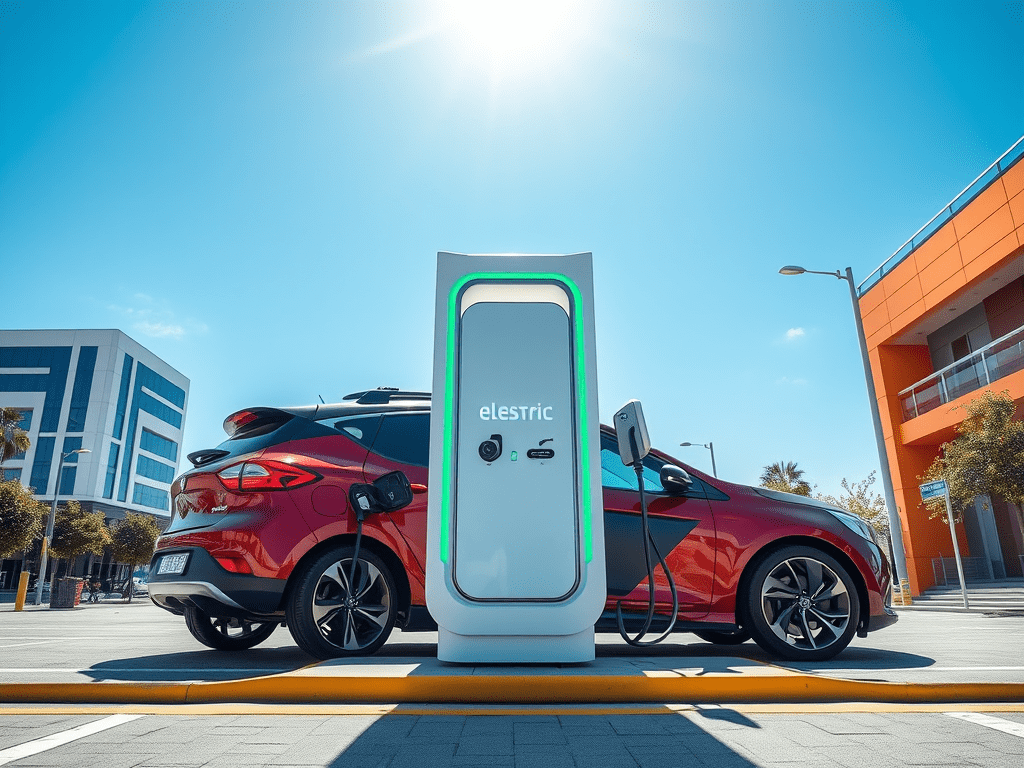
The proliferation of electric vehicles hinges significantly on the availability and accessibility of charging infrastructure. As the number of EVs on the road increases, so does the demand for convenient charging solutions. Expanding the charging infrastructure is crucial to facilitate widespread EV adoption. This expansion entails deploying charging stations in urban, suburban, and rural areas, ensuring EV drivers can recharge their vehicles effortlessly and without anxiety.
Efforts to address the charging infrastructure challenge are gaining momentum on both the public and private fronts. Government initiatives and investments from automakers and energy companies contribute to developing a comprehensive and efficient charging network. This concerted effort addresses current gaps and anticipates future demand, ultimately creating a seamless experience for EV owners. By doing so, the transition to electric vehicles will become more viable and appealing to a broader audience.
Cost and Affordability of EVs
The initial purchase price is one of the most significant impediments to electric vehicle adoption. However, as the industry matures, cost barriers are gradually diminishing. A combination of technological advancements and economies of scale has led to decreasing battery production costs, subsequently lowering the overall price of EVs. Moreover, ownership of an electric vehicle often results in long-term financial benefits through reduced fuel expenses and lower maintenance costs, making it an economically attractive option.
Governmental incentives and subsidies further enhance the affordability of electric vehicles, effectively bridging the price gap between EVs and traditional cars. Tax credits and rebates offered by various governments worldwide play a pivotal role in making EVs more accessible to the average consumer. Consequently, the financial feasibility of owning an electric vehicle is steadily improving, creating renewed interest and demand in the market.
Environmental Benefits of Electric Vehicles
Electric vehicles’ ecological advantages are profound and far-reaching. One of the most compelling benefits is their ability to significantly reduce greenhouse gas emissions, a vital measure in addressing climate change and enhancing air quality. By eliminating tailpipe emissions, EVs contribute to cleaner air in urban environments, directly impacting public health and the environment.
Furthermore, the production process for electric vehicles is also becoming more sustainable. Car manufacturers are progressively using recyclable materials and exploring methods to lessen the carbon footprint of production. This holistic approach to sustainability underscores the potential of electric vehicles to be a cornerstone in the transition to a more environmentally responsible future, extending their benefits beyond the immediate emissions reductions.
The Role of Government Policies
Government policies have emerged as a powerful catalyst in accelerating the adoption of electric vehicles. By utilising a mix of financial rewards, infrastructure assistance, and regulatory strategies, governments globally are creating favourable conditions for the EV sector’s expansion. Economic incentives such as tax breaks and rebates encourage consumers to switch to electric, making it economically attractive.
Additionally, regulatory frameworks are vital in driving the development and commercialisation of electric vehicle technologies. By setting stringent emissions standards, governments are pushing automakers to innovate and prioritize cleaner vehicle solutions. This synergy between policy and innovation is essential for meeting climate goals and ensuring that the transition to electric mobility progresses smoothly and efficiently.
The Future of Electric Vehicles
The trajectory of electric vehicles is undeniably promising, with the potential to redefine the future of transportation. As technology advances and there is a growing societal commitment to sustainability, EVs are poised to dominate the automotive landscape in the coming years. Automakers, policymakers, and consumers play crucial roles in this transition, each contributing to the evolution of a cleaner, more sustainable mode of transportation.
Ongoing investment in research and infrastructure will be crucial for addressing current challenges and realising the full potential of electric vehicles. The road ahead is filled with opportunities to enhance their environmental impact, economic viability, and overall user experience, paving the way toward a greener and more sustainable future for all.
Read more: Is Clinging To Your Old Car Really Worth It?