This is a collaborative post.
The world of sports and fitness is constantly evolving, offering a wide range of career opportunities for individuals passionate about health, physical activity, and performance enhancement. Whether you’re an athlete, a fitness enthusiast, or someone interested in the science behind the body’s movement, there’s a sports and fitness career path that can align with your skills and interests. Here are some great sports and fitness careers that are worth considering.

19 Sports and Fitness Careers Worth Considering
1. Personal Trainer
One of the most popular careers in the fitness industry in the UK is that of a personal trainer. Personal trainers work with clients on a one-to-one basis, creating customised workout plans tailored to individual goals. Their role is to help clients improve their physical fitness, lose weight, build muscle, or achieve specific athletic targets.
This career requires strong interpersonal skills and a solid understanding of anatomy and exercise science. Certifications from recognised bodies such as the National Academy of Sports Medicine (NASM) or the UK-based Register of Exercise Professionals (REPs) are often recommended.
Key Responsibilities:
- Conduct fitness assessments.
- Develop personalised exercise programs.
- Monitor and adjust plans based on progress.
2. Physical Therapist
Physical therapists play a crucial role in helping injured individuals regain mobility and strength. They work with patients to develop treatment plans that improve movement, relieve pain, and restore functionality. Physical therapy is a rewarding career, particularly for those interested in anatomy, rehabilitation, and long-term patient care. A Doctor of Physical Therapy (DPT) degree is typically required, along with state licensure.
Key Responsibilities:
- Diagnose and treat musculoskeletal issues.
- Develop rehabilitation programs.
- Educate patients on injury prevention.
3. Athletic Trainer
Athletic trainers work closely with athletes to prevent, diagnose, and treat sports-related injuries. They often collaborate with doctors and coaches to ensure athletes are in optimal condition. This career requires a strong understanding of sports medicine, injury prevention, and first aid. Athletic trainers are typically employed by schools, colleges, professional sports teams, and hospitals.
Key Responsibilities:
- Provide injury prevention strategies.
- Treat acute injuries during practices and games.
- Design rehabilitation programs for injured athletes.
4. Sports Nutritionist
Nutrition is critical in sports performance, and sports nutritionists specialise in creating diet plans that enhance athletes’ performance. They analyse an athlete’s nutritional needs based on their training, body composition, and specific goals. A degree in nutrition or dietetics and certification from a recognised body, like the Academy of Nutrition and Dietetics, are generally required.
Key Responsibilities:
- Assess athletes’ nutritional needs.
- Design meal plans for peak performance.
- Educate athletes on proper hydration and supplementation.
5. Group Fitness Instructor
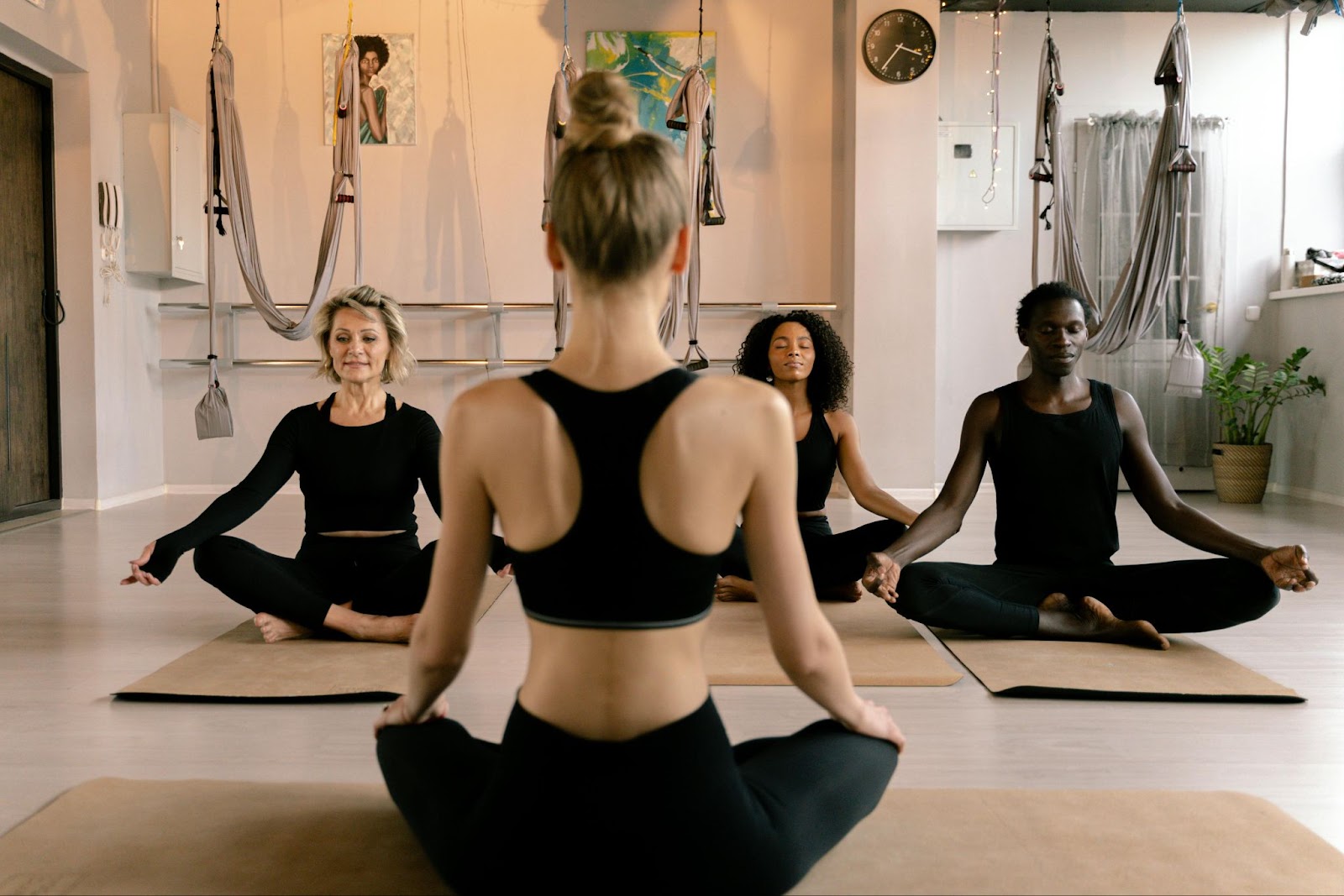
Group fitness instructors lead workout classes in various settings, from gyms and community centres to corporate wellness programs. They may specialise in specific areas like yoga, Pilates, Zumba, or spin classes. This career is ideal for people who thrive in high-energy environments and enjoy working with groups.
Key Responsibilities:
- Lead fitness classes for diverse groups.
- Provide modifications for participants with different fitness levels.
- Ensure a safe and motivating environment for clients.
6. Sports Psychologist
The mental aspect of sports is just as important as the physical. Sports psychologists work with athletes to enhance their mental game, helping them develop coping mechanisms for stress, anxiety, and motivation. They play a crucial role in guiding athletes through challenging periods like injuries or slumps in performance. A background in psychology, along with specialised training in sports psychology, is necessary for this career.
Key Responsibilities:
- Work with athletes to improve mental toughness.
- Develop strategies for managing stress and performance anxiety.
- Aid in rehabilitation from injuries through mental conditioning.
7. Strength and Conditioning Coach
Strength and conditioning coaches help athletes improve their performance through structured weightlifting and conditioning programs. This career is highly specialised and often requires working with professional or collegiate sports teams. A degree in exercise science or kinesiology, along with certifications like the Certified Strength and Conditioning Specialist (CSCS), are usually required.
Key Responsibilities:
- Develop strength training programs.
- Monitor athlete progress and adjust workouts accordingly.
- Collaborate with other coaching staff for athlete development.
8. Exercise Physiologist
Exercise physiologists study the body’s response to physical activity and use their knowledge to improve health outcomes for patients. They often work in clinical settings, providing therapeutic exercise programs for individuals with chronic illnesses or injuries. This role is particularly suited for those interested in health, wellness, and rehabilitation.
Key Responsibilities:
- Assess patients’ health through fitness tests.
- Design exercise programs to manage health conditions.
- Collaborate with healthcare professionals on patient care.
9. Sports Agent
Sports agents represent athletes and negotiate contracts, endorsements, and other business deals on their behalf. This is a business-oriented career that requires a combination of legal knowledge, strong negotiation skills, and a deep understanding of the sports industry. Many sports agents have backgrounds in law or business.
Key Responsibilities:
- Negotiate contracts and endorsements for athletes.
- Manage athletes’ public relations and media interactions.
- Provide career advice and financial management services.
10. Sports Journalist
Sports journalism is an exciting career for those who love both writing and sports. Sports journalists cover games, conduct interviews, and write articles, blogs, or create content for TV and radio. They can work for newspapers, sports websites, magazines, or as independent bloggers or podcasters.
Key Responsibilities:
- Report on sporting events.
- Conduct interviews with athletes and coaches.
- Produce engaging content for various media outlets.
11. Fitness Manager
Fitness managers oversee the day-to-day operations of gyms and fitness centres. They ensure that the facility runs smoothly by managing staff, maintaining equipment, and creating programs to attract new members. This role requires leadership skills, business acumen, and a passion for fitness.
Key Responsibilities:
- Hire and train staff.
- Ensure equipment and facilities are well-maintained.
- Develop membership promotions and fitness programs.
12. Kinesiologist
Kinesiologists focus on human movement and how it impacts health and performance. They work in various settings, from clinical environments to sports facilities, helping clients and patients improve their mobility and reduce pain. A degree in kinesiology is required for this career, and many kinesiologists go on to specialise in specific areas such as rehabilitation, ergonomics, or sports performance.
Key Responsibilities:
- Assess movement and posture.
- Develop exercise and treatment plans to improve mobility.
- Collaborate with other healthcare professionals.
13. Gym Owner
Owning a gym can be both financially rewarding and personally fulfilling for those passionate about fitness. Gym owners manage everything from daily operations to long-term business strategies. This career requires a blend of fitness expertise and business savvy, as owners need to market their services, manage staff, and handle finances.
Key Responsibilities:
- Oversee gym operations and staff.
- Develop and implement business growth strategies.
- Ensure the facility meets all health and safety standards.
14. Sports Medicine Doctor
Sports medicine doctors specialise in diagnosing and treating injuries related to sports and exercise. They often work with professional athletes or sports teams, providing care for injuries such as concussions, fractures, and sprains. Becoming a sports medicine doctor requires extensive education, including a medical degree and specialised training in sports medicine.
Key Responsibilities:
- Diagnose and treat sports-related injuries.
- Develop rehabilitation programs.
- Provide preventive care and education to athletes.
15. Fitness Model
Fitness models are often hired by companies to promote their products or services. Whether for clothing, supplements, or fitness equipment, the fitness model’s job is to represent the ideal of health and physical fitness. This career requires not only elite-level physical fitness but also a strong social media presence in today’s digital age.
Key Responsibilities:
- Participate in photoshoots and promotional events.
- Build a personal brand on social media.
- Maintain a high level of fitness and aesthetic appeal.
16. Massage Therapist (Sports Focus)
Massage therapists specialising in sports massage work with athletes to reduce muscle tension, improve flexibility, and prevent injuries. They often provide massages before or after competitions to enhance performance and speed up recovery. Sports massage therapists can work in gyms, spas, sports teams, or open their own private practice. This career requires certification through a massage therapy program, and additional training in sports massage techniques can provide a competitive edge.
Key Responsibilities:
- Provide personalised care and advice to athletes.
- Provide massages in competition settings.
- Collaborate with gyms and other establishments.
17. Sports Data Analyst
As the world of sports becomes more data-driven, the demand for sports data analysts has increased significantly. Sports data analysts collect and analyse statistics to help teams make strategic decisions, improve player performance, and gain a competitive edge. This career is perfect for those who love both numbers and sports. A background in mathematics, statistics, or data science, along with a strong understanding of sports, is essential for success in this role.
Key Responsibilities:
- Collect and analyse game and player data.
- Provide insights to coaches and team management.
- Use data to develop strategies for player development and team performance.
18. Fitness Influencer
With the rise of social media, many fitness enthusiasts have turned their passion for working out into careers as fitness influencers. Fitness influencers create content around exercise routines, healthy living, and personal fitness journeys. By building a large following on platforms like Instagram, YouTube, or TikTok, they can earn income through sponsorships, affiliate marketing, and selling fitness-related products.
Key Responsibilities:
- Create and share fitness content on social media.
- Build a personal brand and grow an audience.
- Collaborate with brands for sponsorships and endorsements.
19. Sports Event Manager
Sports event managers are responsible for organising and overseeing sporting events, from local competitions to large-scale international tournaments. This career involves coordinating logistics, managing budgets, and ensuring that events run smoothly. Strong organisational skills, a passion for sports, and experience in event management are crucial for this role.
Key Responsibilities:
- Plan and execute sporting events.
- Coordinate with athletes, sponsors, and vendors.
- Manage event logistics, including venue selection, transportation, and accommodations.
Sports and Fitness Careers: Closing Thoughts
The sport and fitness industries offer a wide array of career opportunities that cater to various interests and skill sets. Whether you’re more inclined towards hands-on roles like personal training or interested in the business side of sports, there is a career for you. The options are endless, and with dedication and passion, a career in sport or fitness can be both fulfilling and financially rewarding.
As you explore these paths, it’s also worth noting how fitness and health supplements, such as those from pharmagear.pro, can play a role in achieving optimal performance and well-being.