This is a collaborative post.
Luxury is increasingly leaning toward restraint. It’s no longer the loudest materials or flashiest fixtures that define elegance, but rather the choices that speak softly yet decisively. In the world of interiors, quiet luxury is about refinement, precision, and thoughtful design decisions that reveal themselves only if you’re paying attention.
Precision in the Details
The most effective luxury upgrades are those that could almost be overlooked by someone rushing through the room. Think of it as architecture’s version of a whisper: a shadow gap instead of skirting, the alignment of cabinetry edges, the absence of clutter made possible by flawless planning.
A good example is handleless cabinets. When well-executed, it creates an uninterrupted flow across kitchen or storage surfaces. It requires exacting craftsmanship and an understanding of proportion and movement. The result is a seamless look that feels effortless, though it is anything but.
Materials That Age Well
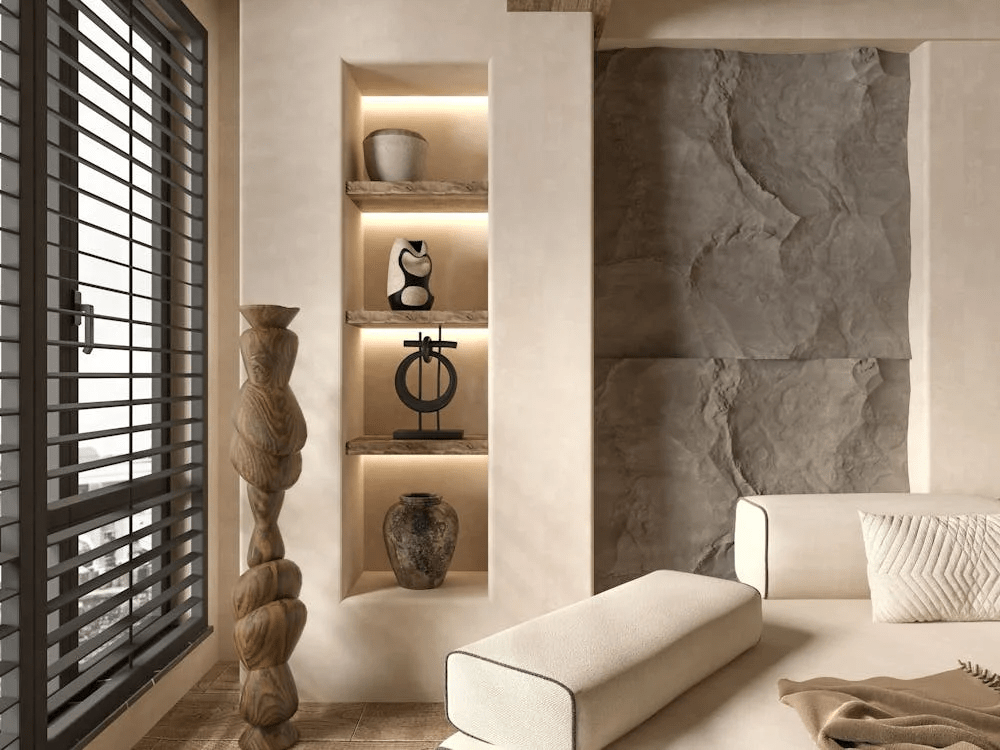
Quiet luxury favours materials that improve with age. Brushed metals, un-lacquered brass, oak left bare, or stone that shows its patina over time. These finishes create a sense of lived-in richness.
In the kitchen, opting for matte-finish cabinetry over high-gloss options adds a layer of visual softness. Similarly, fluted wood panels or textural inlays on doors and drawers contribute tactile depth without breaking the rhythm of the space. These are choices made for people who value texture over sparkle.
Sound as a Design Element
Acoustic comfort is an often overlooked indicator of sophistication. A well-designed home will manage sound without obvious effort. Upgrades like solid-core doors, acoustic plaster, or integrated paneling reduce echo and improve conversation quality without any visible technology. Soft-close drawers, hidden ventilation, and padded floor systems contribute to an atmosphere that simply feels calm, though you may not initially understand why.
Lighting That Sculpts
Rather than relying on centerpieces or extravagant chandeliers, quiet luxury favors architectural lighting—strip LEDs tucked under floating shelves, uplights in recesses, or diffused wall washers that shift the mood of a room from morning to evening.
It’s about the direction, the temperature, and the layering of light. Subtle upgrades might include programmable circadian systems that adjust hue and brightness throughout the day, without calling attention to themselves. You won’t see the light source, but you’ll feel the effect.
Seamless Kitchen Functionality
The kitchen has long been the stage for both everyday rituals and intimate gatherings. It’s also where thoughtful design makes the most noticeable impact. Consider built-in appliances, hidden extractor systems, and seamless worktops.
Some of the most refined upgrades come from choosing the right partners. German kitchen suppliers are known not just for their engineering precision but also for their meticulous attention to proportion and finish. It’s about the integrity of design and the experience it enables.
Luxury by Way of Function
Quiet luxury is, above all, functional. Drawers that close with a soft swoosh. Kitchen mechanisms that open with the brush of a hand. It’s a design ethos that values precision and utility, as the very definition of refinement.
True luxury at home doesn’t rely on spectacle. It reveals itself in the feel of a surface, the glide of a drawer, the glow of a light at just the right angle. It’s the absence of friction, the presence of consideration. And when done well, it never needs to introduce itself.